
Introduction
Everything you need to know about nutrition for weight loss — how calories, protein, fiber, and meal timing work together to help you lose weight without losing your mind.
There's no shortage of opinions about what you should eat for weight loss. Keto, paleo, vegan, intermittent fasting, Whole30, carnivore — they all have passionate advocates and conflicting claims.
The science is clearer than the noise suggests. A 2020 review in the BMJ analyzed 121 randomized trials covering over 20,000 participants and found that *all* weight loss diets work about the same when followed consistently. The variable that predicts success isn't which diet you choose — it's whether you can stick with it.
This guide covers what the evidence actually says about nutrition for weight loss, organized so you can build an approach that works for you. It also helps to watch sodium; our list of low sodium foods shows where the excess salt hides.
Table of Contents
- The foundation: energy balance
- The three macronutrients and how they affect weight loss
- Building a healthy plate
- Meal timing
- Comparing popular diet approaches
- The nutrition principles that matter most
- When to see a professional
The foundation: energy balance
Weight loss requires a calorie deficit — consuming fewer calories than your body burns. This is not negotiable and it's the same for everyone, regardless of which diet label you use.
A moderate deficit of 300–500 calories per day produces steady weight loss of about 0.5–1 pound per week. That doesn't sound dramatic, but over three months it's 6–12 pounds, and over a year it's 25–50 pounds.
The most practical way to create this deficit is to combine modest reductions in intake (cutting portions of calorie-dense foods) with small increases in activity (a daily walk).
For a step-by-step plan, see our Calorie Deficit Diet Plan.
The three macronutrients and how they affect weight loss
Protein: the most important
Protein deserves emphasis because it's the one macronutrient most people don't get enough of when trying to lose weight. In a calorie deficit, your body would rather use muscle tissue for energy than fat. Protein shifts the balance toward fat loss.
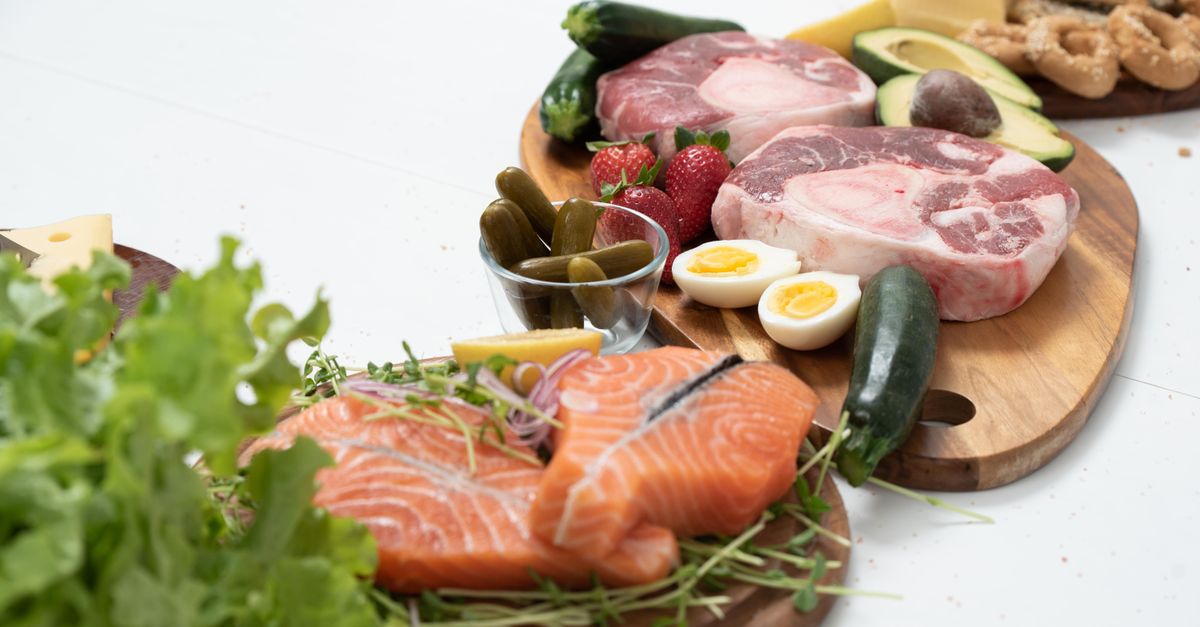
Target: 1.6–2.2 grams per kilogram of body weight per day. Best sources: Lean meat, poultry, fish, eggs, Greek yogurt, cottage cheese, tofu, lentils, and beans.
For practical examples, see our guide to High-Protein Meals for Weight Loss.
Carbohydrates: not the enemy
Carbohydrates are your body's preferred fuel source. The problem with low-carb diets isn't that carbs cause weight gain — it's that cutting out an entire food group reduces your calorie intake. The same effect happens when you cut out fat.
Best sources: Vegetables, fruits, whole grains, legumes. These provide fiber, vitamins, and slow-digesting carbohydrates that don't spike blood sugar.
Fats: essential but calorie-dense
Fats are the most calorie-dense macronutrient at 9 calories per gram (compared to 4 for protein and carbs). That doesn't mean you should avoid them — healthy fats are essential for hormone function and nutrient absorption.
Best sources: Olive oil, avocados, nuts, seeds, fatty fish.
Fiber: the secret weapon
Fiber isn't a macronutrient — it's a type of carbohydrate that your body can't digest. Because it passes through your system without being absorbed, it adds volume to meals without adding calories.
A 2021 study in The Journal of Nutrition found that people who increased their fiber intake by 14 grams per day — without changing anything else — lost an average of 4 pounds over 12 months.
For the best sources, see 10 High-Fiber Foods That Help You Lose Weight.
Building a healthy plate
The simplest framework for weight loss nutrition doesn't require counting anything:
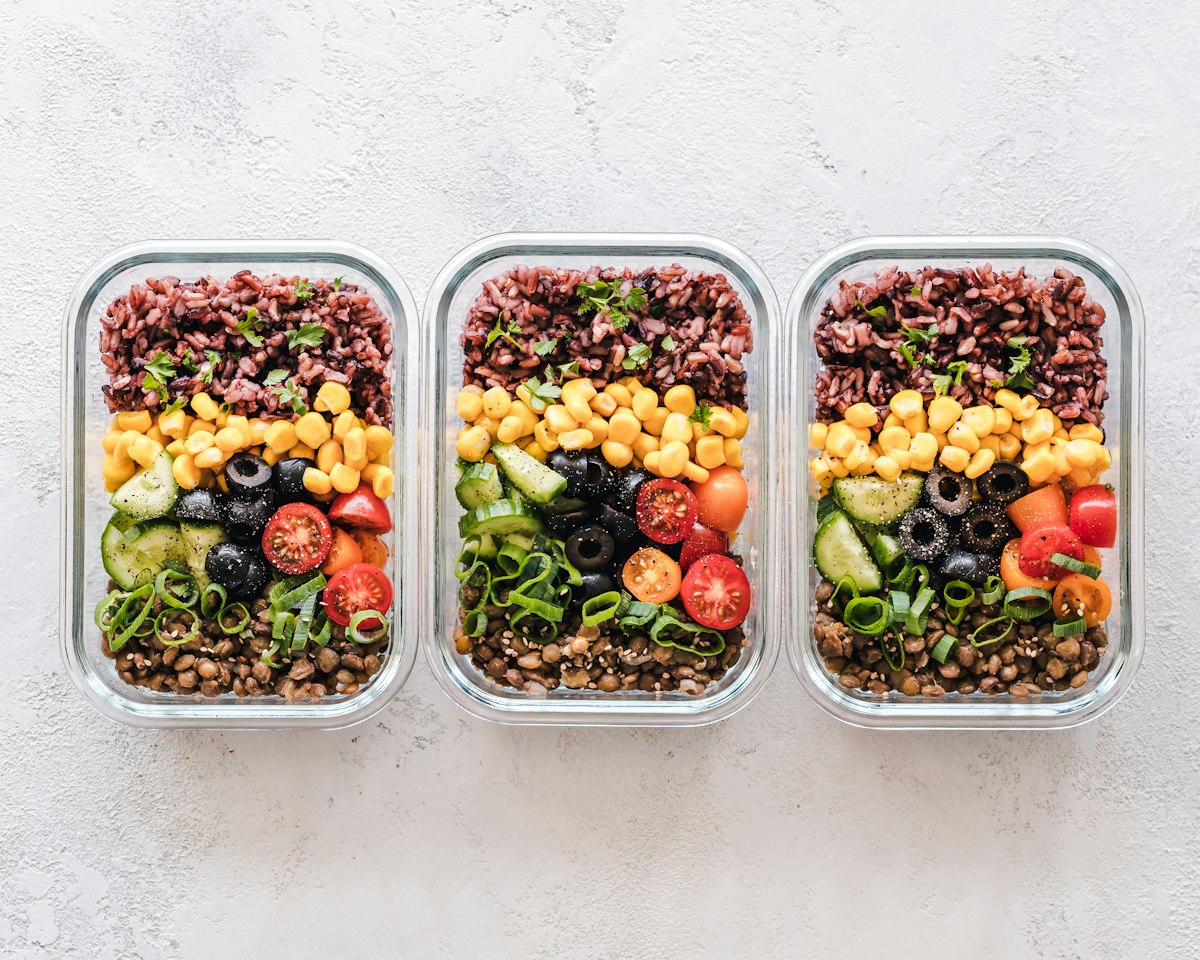
- Half your plate: vegetables (non-starchy — broccoli, leafy greens, peppers, cucumber)
- One-quarter: lean protein (chicken, fish, tofu, eggs, beans)
- One-quarter: complex carbohydrates (quinoa, brown rice, sweet potato, whole-grain pasta)
- Add a healthy fat: olive oil, avocado, nuts, or seeds
This structure works because it naturally controls calories without requiring a scale or food tracker.
Meal timing
Total calories eaten per day matters more than when you eat them. A 2019 review in the American Journal of Clinical Nutrition concluded that meal timing has minimal independent effect on weight loss beyond its effect on calorie intake.
If skipping breakfast or eating later in the day helps you naturally eat less, do it. If it makes you overeat later, don't.
Comparing popular diet approaches
| Diet | How it works | Pros | Cons |
|---|---|---|---|
| Mediterranean diet | Emphasis on plants, olive oil, fish, whole grains | Highly sustainable; well-studied for heart health; no foods banned | Not "optimized" for rapid weight loss |
| Low-carb / keto | Severe carb restriction (under 50g/day) | Rapid initial weight loss (mostly water); reduced appetite | Hard to sustain; can cause nutrient deficiencies long-term |
| Intermittent fasting | Eating only during a specific window (e.g., 8 hours) | Simple (no meal prep changes); intuitive | Not more effective than calorie restriction; triggers binge eating in some |
| Plant-based / vegan | Eliminates all animal products | High fiber; low in saturated fat | Requires planning for protein, iron, B12 |
| DASH diet | Limits sodium; rich in fruits, vegetables, whole grains | Designed for blood pressure but effective for weight | Less emphasis on protein |
The evidence shows all these approaches work about equally well when followed consistently. Pick the one that best fits your lifestyle.
For a specific approach you can start today, read our Mediterranean Diet for Weight Loss: 7-Day Meal Plan.
The nutrition principles that matter most
- Calories matter. No diet bypasses thermodynamics.
- Protein protects muscle. Eat enough during any weight loss attempt.
- Fiber controls hunger. It's the best non-calorie tool for satiety.
- Consistency beats perfection. Missing a day doesn't matter. Giving up does.
- Nutrition works with exercise. Strength training preserves muscle during weight loss. Read our Strength Training for Weight Loss guide to understand why.
When to see a professional
The nutritional strategies on this page are general guidelines for healthy adults with overweight or obesity. If you have type 2 diabetes, kidney disease, a history of disordered eating, or take medications that affect appetite or metabolism, work with a registered dietitian or your doctor before starting any weight loss plan.
Sustainable weight loss isn't about finding a magic diet. It's about finding an eating pattern that creates a modest calorie deficit, provides enough protein and fiber, and is flexible enough to fit your real life.
FAQ
How many calories should I eat to lose weight?
A calorie deficit of 300 to 500 calories per day below your maintenance level produces steady weight loss of about 0.5 to 1 pound per week. To estimate your maintenance calories, multiply your body weight in pounds by 12 to 14, depending on your activity level. A 180-pound sedentary person needs roughly 2,160 calories to maintain weight and about 1,660 to 1,860 to lose weight. These are estimates — adjust based on your actual results after two weeks.
Do I need to count calories to lose weight?
You don't need to count every calorie forever, but tracking your intake for the first two to three weeks gives you a realistic picture of how much you're actually eating. Most people underestimate their calorie intake by 30 to 50 percent. Once you understand portion sizes and the calorie density of common foods, you can stop counting and maintain a deficit by following general guidelines.
What should I eat before and after workouts?
Before a workout, eat a small meal with carbs and a moderate amount of protein about one to two hours beforehand. A banana with peanut butter or a small bowl of oatmeal works well. After a workout, focus on protein to support muscle repair — a protein shake, Greek yogurt, or a chicken breast with vegetables. The post-workout window is about two hours, not thirty minutes.
Can I lose weight without giving up my favorite foods?
Yes. The principle of flexible dieting means no food is off limits as long as it fits within your overall calorie and protein targets. A 200-calorie treat fits into any reasonable deficit. The people who maintain weight loss long-term are the ones who found a way to include their favorite foods in moderation rather than cutting them out entirely.
Know your target: our TDEE calculator shows the calories you burn each day, plus a weight-loss number to aim for.