Introduction
Walking into a gym for the first time can be overwhelming. Here's a simple weight loss workout plan that covers strength, cardio, and everything you need to know.
Starting at the gym is one of the most effective things you can do for weight loss. But if you've never had a gym membership before, it's easy to feel lost — which machines to use, how much weight to lift, how often to go.
This guide covers exactly what to do in the gym for weight loss, organized so you can walk in and start your first session today.
Table of Contents
- The two things you need at the gym
- The beginner gym routine (3 days per week)
- How to progress
- Common beginner mistakes
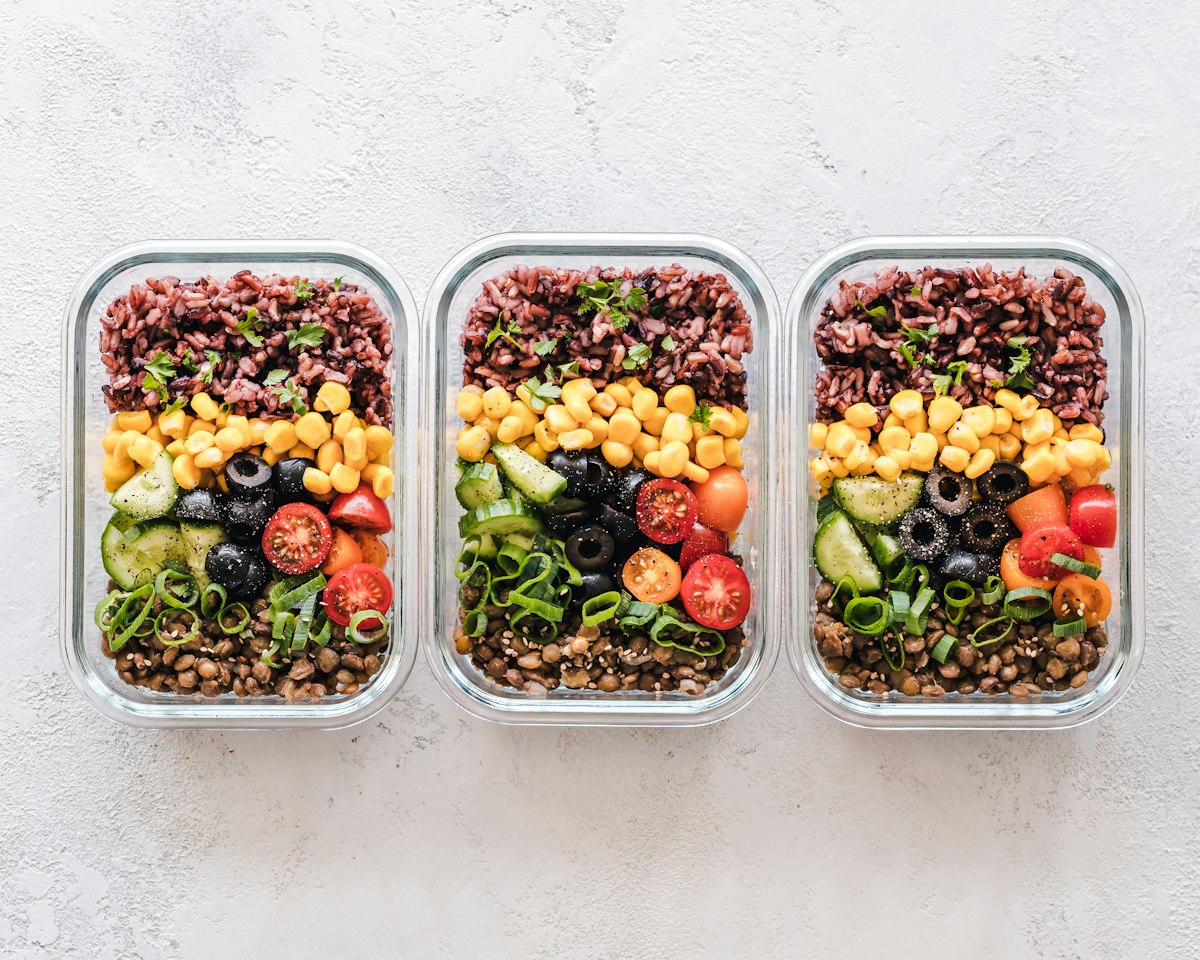
- How to fuel your gym sessions
The two things you need at the gym
Every effective weight loss program at the gym has two components:
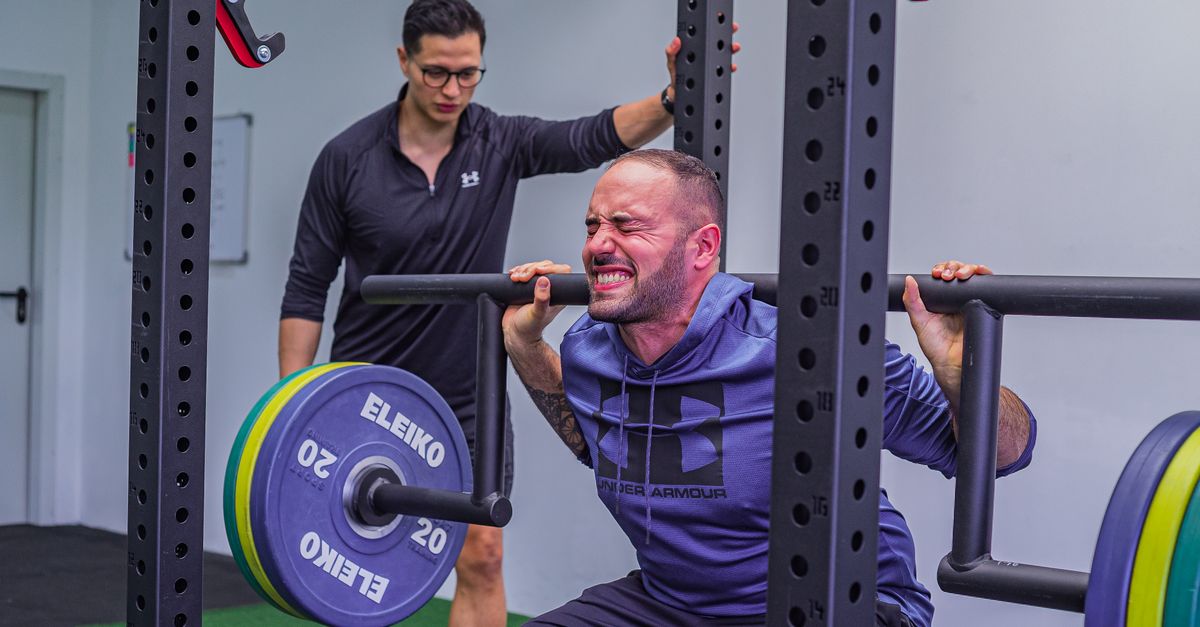
- Strength training — builds and preserves muscle, raises your metabolism
- Cardio — burns additional calories, improves heart health
The ratio matters: strength training should be the primary focus (about 60% of your gym time), with cardio as the supplement. If you want a full understanding of why, read Strength Training for Weight Loss — the short version is that muscle burns calories 24/7, cardio only burns them during the workout.
The beginner gym routine (3 days per week)
This full-body program hits every major muscle group in each session. For dedicated pulling work, borrow moves from our back workouts guide. Three days per week with at least one rest day between sessions.
Session A (Monday)
| Exercise | Sets × Reps | Notes |
|---|---|---|
| Goblet squat | 3 × 10–12 | Hold a dumbbell at your chest, squat to parallel |
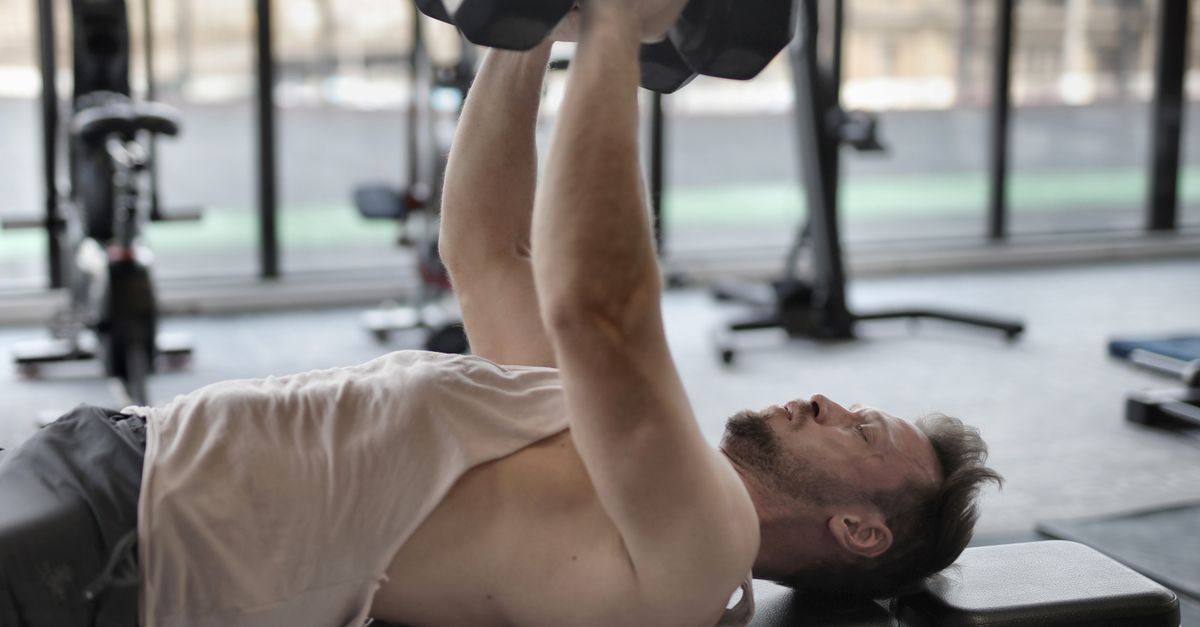
| Dumbbell bench press | 3 × 10–12 | On a flat bench or the floor |
| Seated cable row | 3 × 10–12 | Pull to your belly button, squeeze shoulders back |
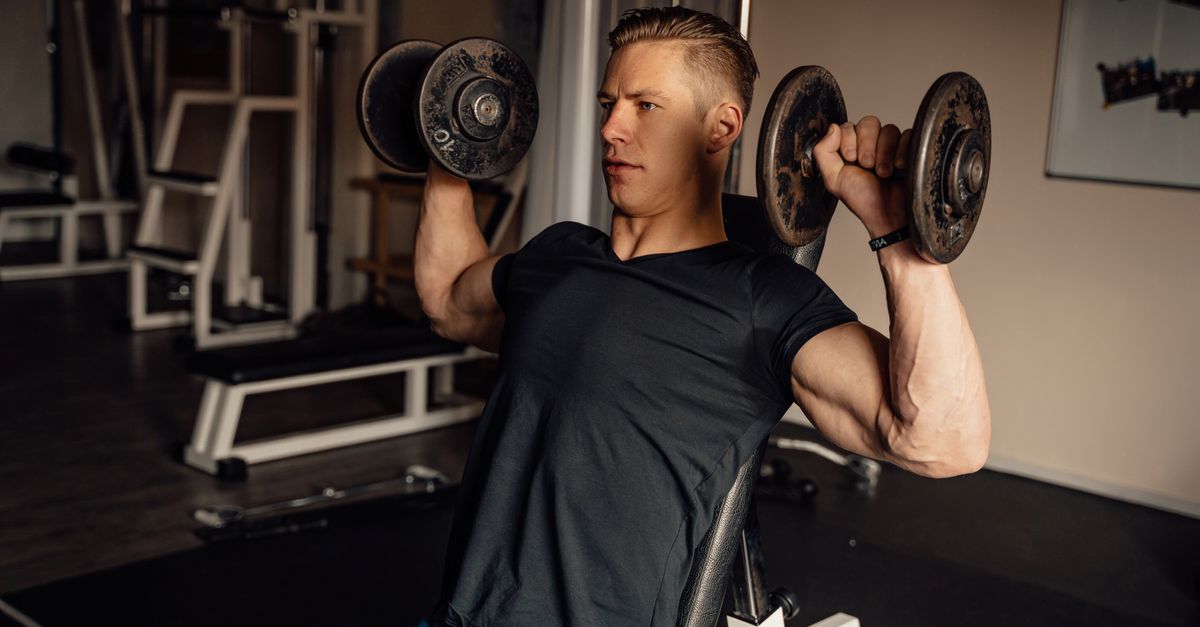
| Dumbbell overhead press | 3 × 8–10 | Seated or standing |
| Leg press | 3 × 12–15 | Full range of motion |
| Plank | 3 × 30–45 sec | Keep your body in a straight line |
| 20 minutes cardio | Moderate pace | Walking incline or stationary bike |
Session B (Wednesday)
| Exercise | Sets × Reps | Notes |
|---|---|---|
| Dumbbell deadlift | 3 × 10–12 | Hinge at hips, keep back flat |
| Lat pulldown | 3 × 10–12 | Pull bar to upper chest |
| Walking lunges | 3 × 10 per leg | Hold dumbbells at your sides |
| Dumbbell lateral raises | 3 × 12–15 | Light weight, controlled movement |
| Leg curl machine | 3 × 12–15 | Slow on the way down |
| Cable crunch | 3 × 12–15 | Kneel at the cable station |
| 20 minutes cardio | Moderate pace | Elliptical or rowing machine |
Session C (Friday)
| Exercise | Sets × Reps | Notes |
|---|---|---|
| Barbell or dumbbell hip thrust | 3 × 10–12 | Shoulders on a bench, drive hips up |
| Dumbbell row | 3 × 10 per side | One knee and hand on a bench |
| Dumbbell incline press | 3 × 10–12 | Bench set to 30 degrees |
| Standing calf raise | 3 × 15–20 | Hold a dumbbell in one hand |
| Face pull | 3 × 12 | Cable at face height, pull toward your nose |
| Hanging knee raises | 3 × 10–15 | Or lying leg raises |
| 20 minutes cardio | Moderate pace | Any machine you prefer |
How to progress
The first 2–3 weeks are about learning the movements. Don't worry about how much weight you're lifting — focus on form. After that:
- Add weight when you can complete all reps with good form
- Add reps if you can't increase weight yet
- Decrease rest time between sets from 90 seconds to 60 seconds
- Increase cardio by 5 minutes per session every 2 weeks
Common beginner mistakes
Doing only cardio
Spending 45 minutes on the treadmill and leaving is better than nothing, but you're leaving most of your weight loss potential unused. The people who transform their bodies at the gym spend most of their time on the strength floor.
Using machines only
Machines are fine for beginners — they're safe and easy to learn. But free weights (dumbbells and barbells) recruit more stabilizer muscles and produce a better metabolic response. Start with machines to build confidence, then transition to free weights for most exercises.
Too much weight, too soon
Use a weight where you can complete all reps but the last 2 reps of each set are difficult. If you could do 5 more reps, the weight is too light. If you can't finish the set, it's too heavy.
How to fuel your gym sessions
Working out on an empty stomach isn't necessary for weight loss and may hurt your performance. A small meal 60–90 minutes before the gym — like Greek yogurt with fruit or a protein shake — gives you energy without weighing you down.
For post-workout nutrition, see High-Protein Meals for Weight Loss and our Calorie Deficit Diet Plan.
FAQ
What should I do on my first day at the gym?
Start with a simple full-body routine: five minutes of light cardio to warm up, then three sets of eight to twelve reps on each of these exercises: leg press, chest press, seated row, shoulder press, and plank. Use a weight that feels moderate on the first set and challenging by the third set. End with five minutes of stretching. This covers all major muscle groups and takes about 40 minutes.
How do I know if I'm using the right form?
The general rule is that you should feel the exercise in the target muscle, not in your joints or lower back. Watch a short video demonstration of each exercise before trying it. The ACSM exercise library is a reliable resource for proper form. Start with light weight and focus on controlled movement — slow on the way down, controlled on the way up. If you can't complete a rep with good form, the weight is too heavy.
How often should I increase the weight?
Increase the weight when you can complete all your sets and reps with good form and the last rep of each set feels like you could do one or two more. For most people, this happens every two to four weeks for upper body exercises and every one to two weeks for lower body exercises. The increase should be small — five pounds for upper body, ten pounds for lower body.
Can I lose weight with just gym workouts and no diet changes?
Gym workouts alone rarely produce significant weight loss because exercise increases appetite and people unconsciously eat back the calories they burned. A 2012 study in Obesity Reviews found that exercise alone without dietary changes produced an average weight loss of only 2 to 3 pounds over 12 weeks. The most effective approach is a calorie deficit from diet combined with gym workouts for the metabolic and muscle-preserving benefits.